
Cook Fearlessly, Every Night
Today we dive into cooking by ratios—simple templates for soups, salads, and stir-fries—so you can improvise with confidence, waste less, and plate bold, consistent flavors. We’ll trade rigid instructions for memorable patterns, share real kitchen stories, and invite your twists. Save this guide, subscribe for weekly drills, and tell us where smart proportions unlocked dinner on a hectic weeknight, even when the pantry looked impossibly bare and time felt stubbornly short.
Why Ratios Beat Recipes on Busy Weeknights
Recipes can freeze you at the stove, but ratios free your hands and head. With a few anchor numbers, you transform random pantry finds into reliable bowls, crunchy salads, and sizzling pans. I learned this during a blackout, when measurements failed yet proportions delivered dinner. Let’s build that calm, repeatable confidence together by trusting structure that flexes with ingredients, seasons, and appetites.
A Quick History of Kitchen Ratios
From baker’s percentages to Escoffier’s mother sauces, cooks have long trusted proportions to scale flavor and technique. Understanding lineage matters because it proves these ideas work outside perfect conditions—market kitchens, ships, street stalls—and reminds us that memory-friendly math beats fragile, fussy checklists when time and ingredients shift unexpectedly in real, imperfect, wonderfully human kitchens everywhere.
Confidence Through Constraints
Numbers create gentle rails. A 3:1 dressing, a 1:1:4 soup base, and a 1:2:0.5 stir-fry lineup narrow choices without choking creativity. You stop second-guessing salt, fat, and liquid, and start tasting earlier. Confidence follows repetition, and repetition follows simple, portable rules you can sketch on a sticky note and carry from market to home.
Pantry Flexibility Without Waste
When broccoli wilts or herbs linger, ratios adapt. Swap peas for beans, yogurt for mayo, or noodles for rice while honoring base proportions. This reduces waste, stretches budgets, and turns “use-it-up” nights into practice sessions where nearly-right quantities still land inside delicious, forgiving windows, helping households cook generously without feeling pressured by perfection.
The 1:1:4 Framework for Weeknight Soups
Use roughly one part aromatic base (onion, celery, carrot, leeks), one part primary ingredient (beans, meat, hearty vegetables), and four parts liquid. Simmer until textures align, then brighten with one measured splash of acid. Taste for salt after reduction, not before, protecting balance and clarity while encouraging confident adjustments that respect simmer time and evaporation.
Seasoning Like a Pro: Percentages, Not Pinches
Instead of guessing, aim about one percent salt by weight for brothy soups, nudging upward for starchier bodies. Layer small additions of umami—soy, miso, anchovy, mushroom powder—in tenths of a percent. These measurable nudges produce repeatable depth without the yo-yo of last-minute fixes, helping every ladle taste deliberate, structured, and satisfyingly consistent across batches.
Salads Built to Balance
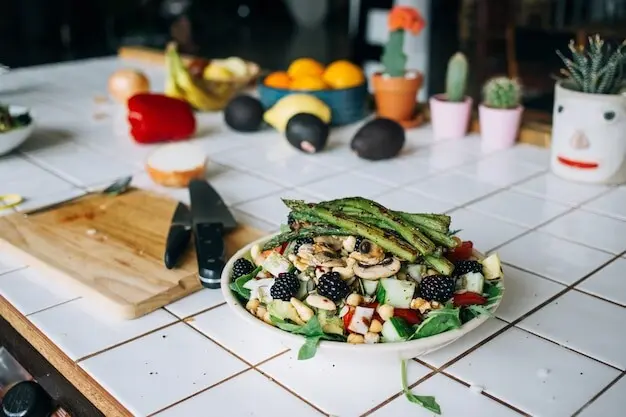
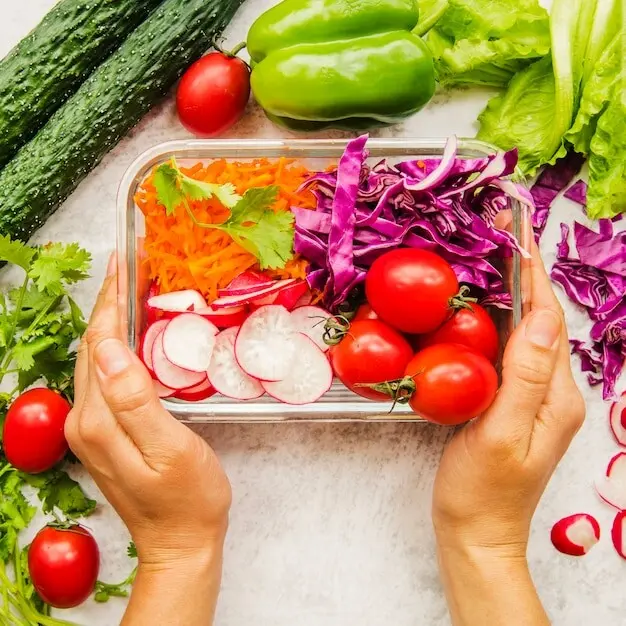
Great salads juggle contrast: crisp, tender, juicy, creamy, sweet, salty, bitter, and bright. Start with a filling pattern that survives seasons and cravings, then finish with a dressing you can make blindfolded. We will map bowls that welcome leftovers, market surprises, and weeknight hunger alike, delivering dependable crunch, color, and nourishment without requiring special shopping trips anytime.
Stir-Fries with Sear, Sauce, and Snap
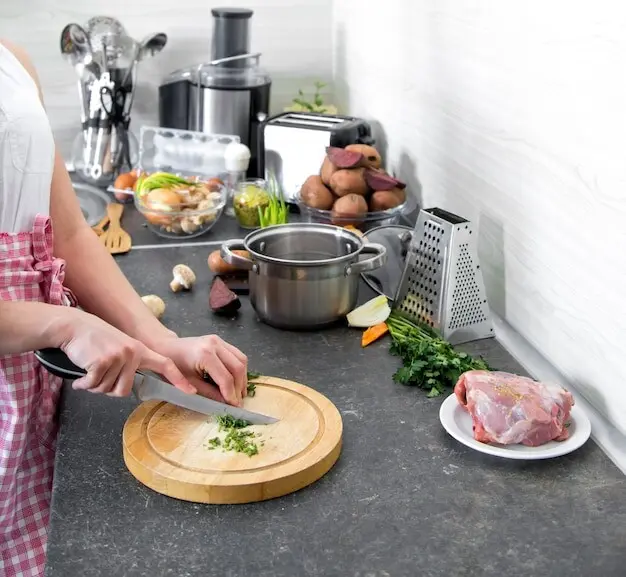
A screaming-hot pan, quick sequencing, and a short sauce equation transform mixed vegetables and bits of protein into lightning dinners. We’ll use memorized portions for aromatics, vegetables, and sauce, practice velveting, and manage moisture so every bite stays glossy, crunchy, and perfectly seasoned without sogginess, even when cooking on electric ranges or crowded schedules.
Scaling Up, Swapping Smart, Staying Safe
Ratios scale beautifully, but attention matters. We’ll multiply ingredients by weight for reliability, adjust seasoning after reduction, and time acids at the end to guard freshness. Thoughtful swaps handle allergies and preferences without breaking structure, while safe cooling, storage, and reheating protect texture, brightness, and nutrition, ensuring make-ahead meals remain vibrant and truly convenient throughout busy weeks.
Multiply Without Mystery
Use grams and percentages, not cups, when scaling. Doubling a soup? Multiply salt by weight, then retaste after simmering because evaporation concentrates seasoning. For salads, scale dressing separately, tossing gradually. Stir-fries scale by repeating small batches rather than crowding, preserving heat and crisp edges every time, without surprise sogginess or disappointing, dulled finishes.
Allergen-Aware Alternatives
Swap soy for coconut aminos plus salt, nuts for toasted seeds, and dairy for silken tofu or olive oil emulsions. For gluten sensitivity, rely on rice noodles or steamed grains. Keep base proportions steady, and flavor falls into place without compromise, apology, or bland detours, empowering confident hospitality across tables with mixed needs.
Storage, Cooling, and Reheating Ratios
Chill soups shallow and fast, two inches deep for safe cooling. Store dressed salads no longer than one day; undressed components last three to five. Reheat sauced stir-fries quickly over high heat with a splash of stock, restoring gloss without mush or greasy separation, preserving crisp edges and lively aromatics throughout service.
Practice Plans and Community Challenges
Skill locks in through repetition and feedback. We’ve designed short drills that fit weeknights, prompts that welcome substitutions, and moments to share results with friends here. Post your bowl math, tag your wok wins, subscribe for new templates, and request breakdowns for cuisines you love, helping this shared kitchen grow sharper, faster, and kinder together.