
Cook Boldly Without Recipes
Today we’re diving into No-Recipe Habit Kitchen, a joyful way to make everyday meals by trusting practiced moves, flavor sense, and curiosity instead of strict instructions. Build small, repeatable habits, read your ingredients with all five senses, and share what you learn. Ask questions, swap wins and stumbles, and return tomorrow just a touch braver at the stove.
The Mindset That Makes Dinner Easy
Freedom in the kitchen grows from tiny, repeatable decisions, not memorized steps. When you reduce friction—by clearing counters, choosing a pan early, and salting water first—you shift attention from fear to flavor. Embrace playful experiments, celebrate near-misses, and notice how dinner gets faster, tastier, and calmer with each gentle repetition.
Habit Loops You Can Taste
Start with a dependable cue, like washing herbs the moment you open the fridge, then flow into a routine, like chopping a handful for brightness, and finish with a reward: that first zingy bite. Repeat tomorrow. Suddenly, freshness isn’t optional; it’s automatic, delicious, and effortlessly consistent.
Confidence Through Tiny Wins
Collect micro-skills that pay rent nightly: toast spices until fragrant, bloom tomato paste for depth, and finish greens with vinegar. Each small success stacks, lowering hesitation and inviting bolder choices. You’ll notice fewer timers, more tasting, and a growing sense that dinner belongs to your hands, not instructions.
Anecdote: The Five-Minute Omelet Shift
Mara used to scorch eggs chasing speed. One week, she committed to medium-low heat, a soft silicone spatula, and breathing between folds. By Friday, butter browned gently, curds stayed tender, and leftover herbs finally had a home. Her mornings changed not by recipes, but by kinder, steadier attention.
A Pantry That Teaches While You Cook
Stock a small, expressive shelf that whispers solutions: bright acids, sturdy fats, salty umami, a few sweet surprises, and heat in varied forms. Label jars, rotate often, and taste side-by-side. Your pantry becomes a coach, clarifying contrasts and nudges, so improvisation feels informed, grounded, and comfortingly repeatable on busy evenings.
Techniques Over Templates
{{SECTION_SUBTITLE}}
Heat You Can Trust
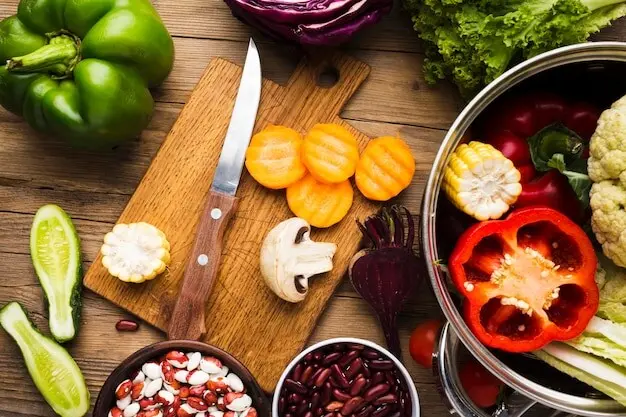
Preheat the pan until a drop of water skitters, then add oil and listen for a confident whisper, not a scream. Avoid crowding; give browning room. Move proteins less than you think. Let edges color before flipping. Heat management is patience wearing an apron, rewarding attention with deep, savory crusts.
Seasoning as a Moving Target
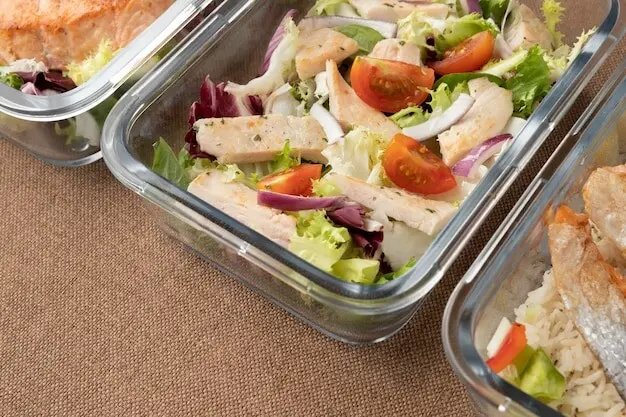
Salt early for penetration, mid-cook for balance, and at the end for sparkle. Add acid to wake flavors, fat to carry aroma, sweetness to round edges, and bitterness for intrigue. Taste between each addition. The goal isn’t rules; it’s responsive conversation, where each adjustment brings the dish into sharper focus.
Your Senses Are the Best Timers
Smell when garlic turns from sharp to sweet. Watch steam calm as water becomes sauce. Hear the sizzle soften when mushrooms release moisture. Feel noodles slide glossy after proper salting. Taste early, taste often. These quiet signals guide you better than numbers, building reliable intuition that follows you into any kitchen.
Listen to the Sizzle’s Story
A bright snap signals water on a hot surface; a steady hiss means moisture cooking off; a low murmur suggests you’ve entered tender territory. If the sound vanishes, heat is too low; if it screams, lower it. Train your ear, and the pan narrates what to change next.
See Color, Shine, and Steam
Golden edges indicate sugars browning, glossy sheen hints at emulsification, and persistent billowy steam tells you moisture remains. When color deepens but steam wanes, concentrate flavors with a splash of stock or wine. Observation becomes timing, freeing you from strict clocks and transforming uncertainty into clarity you can plate.
Weeknight Frameworks That Never Fail You
Skillet Arc: Aromatic, Bulk, Finish
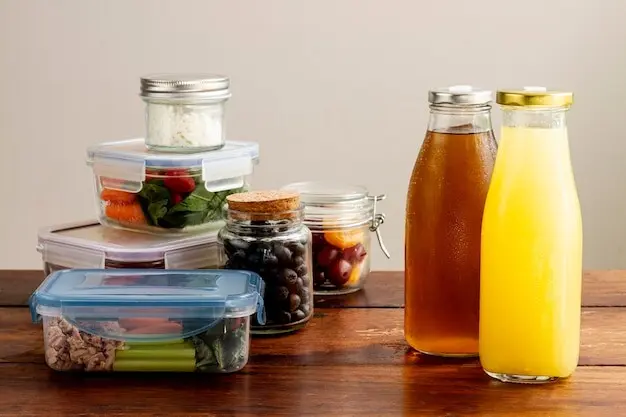
Sweat onions, garlic, or scallions with salt. Add bulk—zucchini, mushrooms, or shredded cabbage—then protein or beans. Finish with brightness: lemon, vinegar, herbs, or chili oil. The arc invites swapping without anxiety. Keep the structure, trade the characters, and watch dinner follow a friendly rhythm you can trust.
Brothy Comfort in Three Moves
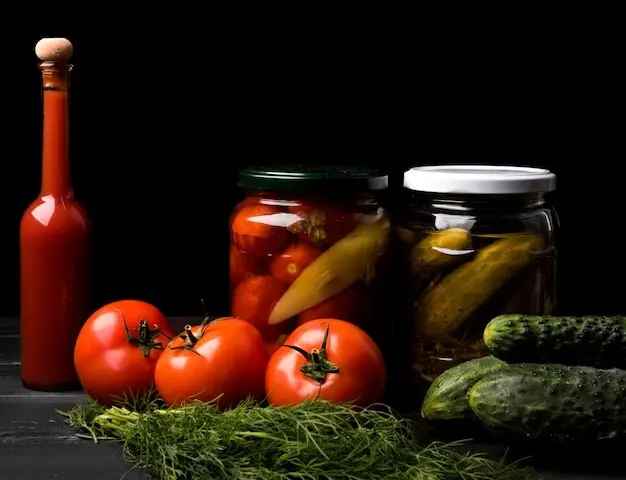
Start with sizzling aromatics and paste for depth, pour in water or stock, then simmer starches or greens until cozy. Finish with miso, soy, or citrus. Garnish with something crunchy. You’ll build bowls that hug and wake in equal measure, relying on sensation rather than rigid measurements.
Toast, Sauce, Crunch, Repeat
Crisp bread or grains for a toasty canvas, add a flavorful sauce—miso butter, tahini-lemon, garlicky yogurt—then layer crunch: nuts, seeds, or pickled vegetables. This pattern rescues leftovers, delights breakfast, and charms late-night hunger. Keep components ready, and you’ll improvise plates that feel intentional in minutes.
Zero-Waste Improv That Saves Money and Pride
Cook what you have, not what you wish you bought. Frame leftovers as ingredients with a head start, peels as flavor sources, and brines as secret seasonings. By planning backward from your crisper and freezing strategically, you’ll reduce waste, stretch creativity, and serve meals that honor both budget and planet.
Leftovers, Elevated with Grace
Shred roasted vegetables into frittatas, fold last-night rice into sizzling scallion pancakes, or whisk pan drippings into a speedy vinaigrette. Add a fresh accent—acid, herbs, crunch—and yesterday’s bowl becomes today’s triumph. Treat carry-overs as collaborators, and they’ll repay you with convenience, depth, and surprisingly elegant second acts.
Scraps into Flavor Gold
Save parmesan rinds for soup, corn cobs for broth, and herb stems for oil. Toast stale bread into crumbs, candy citrus peels, and steep pickle brine into dressings. These transformations build confidence and thrift, reminding you that creativity often begins exactly where others would stop and toss.